Corded vs Cordless Hedge Trimmer: Which One Keeps Your Yard Sharper?
Quick Comparison
| Product | Best For | Buy |
|---|---|---|
 EGO Power+ HT2411 24" 56V Cordless Hedge Trimmer (Best Overall) EGO · Battery (56V ARC Lithium) · 6.2 lbs (with battery) | Homeowners who want top-tier cordless performance with thick-branch capability | |
 BLACK+DECKER BEHT350FF 22" Corded Electric Hedge Trimmer (Best Corded) BLACK+DECKER · Corded (120V, 4.0 Amp) · 6.0 lbs | Small-yard homeowners who want reliable power without managing batteries |
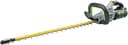
EGO Power+ HT2411 24" 56V Cordless Hedge Trimmer (Best Overall)
Homeowners who want top-tier cordless performance with thick-branch capability
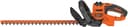
BLACK+DECKER BEHT350FF 22" Corded Electric Hedge Trimmer (Best Corded)
Small-yard homeowners who want reliable power without managing batteries
The corded vs cordless hedge trimmer debate used to be simple. Corded trimmers were stronger and cheaper. Cordless trimmers were convenient but underpowered. In 2026, in 2026, that gap has nearly vanished. Battery-powered hedge trimmers from DeWalt, EGO, and Ryobi now match the stroke speed and cutting capacity of their corded counterparts, and prices have dropped enough to make cordless a realistic option for every homeowner.
But "cordless can match corded" doesn't mean corded is obsolete. I think a lot of buyers overlook this. A corded hedge trimmer still costs half as much, weighs less, and never needs a battery swap. The right choice depends on your yard size, your proximity to outlets, and whether you already own batteries in a major platform. Here's how to decide.
Quick Answer: Corded vs Cordless Hedge Trimmer
Get a corded hedge trimmer if you have a small to medium yard, work within 100 feet of an outlet, want the lowest upfront cost, and prefer a lighter tool that never runs out of power mid-trim.
Get a cordless hedge trimmer if you have a large property, need to trim hedges far from outlets, value freedom of movement, and already own batteries in a compatible platform (DeWalt 20V, EGO 56V, Ryobi ONE+, Milwaukee M18). In my opinion, battery ownership is the single biggest factor in this decision.
Key Differences at a Glance
Feature: Power (Strokes/Min) | Corded: 3,000 to 3,800 SPM | Cordless: 2,800 to 3,400 SPM
Feature: Cut Capacity | Corded: 3/4" to 1" branches | Cordless: 3/4" to 1" branches
Feature: Runtime | Corded: Unlimited | Cordless: 30 to 75 minutes per charge
Feature: Weight | Corded: 5 to 6.5 lbs | Cordless: 7.5 to 10.5 lbs (with battery)
Feature: Tool Price | Corded: $35 to $100 | Cordless: $100 to $180 (bare tool)
Feature: Total Cost | Corded: $35 to $100 (plug in and go) | Cordless: $200 to $300 (with battery and charger)
Feature: Portability | Corded: Limited by cord and outlet | Cordless: Work anywhere
Feature: Noise Level | Corded: ~90 dB | Cordless: ~78 dB
Feature: Maintenance | Corded: Blade oil only | Cordless: Blade oil + battery care
Corded Hedge Trimmers: When to Choose
You want the cheapest path to clean hedges
A corded hedge trimmer like the BLACK+DECKER BEHT350 costs around $50 to $60 and delivers 4-amp power with 22 inches of dual-action blade. A comparable cordless setup runs $200 or more once you add a battery and charger. I'd pick the corded option every time for a first-time buyer who doesn't already own batteries. It saves you $150 without sacrificing cutting performance.
Your yard is small to medium (under half an acre)
If your hedges are within 100 feet of an outlet, a 50-foot or 100-foot extension cord gives you all the reach you need. Most suburban homeowners have hedges along the front of the house, beside the driveway, or around the patio. Those are all within easy cord range.
You want a lighter tool
This is the detail most buyers overlook. Corded hedge trimmers weigh 5 to 6.5 lbs because they don't carry a battery pack. Cordless models weigh 7.5 to 10.5 lbs with a battery attached. When you're holding a trimmer overhead to shape the top of a tall hedge, every pound matters. Your arms and shoulders will thank you after 30 minutes of trimming.
You need unlimited runtime
Corded trimmers run as long as the outlet has power. No battery swaps, no recharge breaks, no watching a charge indicator tick down. If you have a long hedge line or like to do all your trimming in a single session, corded gives you the freedom to work without interruption.
You prefer low maintenance
A corded trimmer needs blade oil and occasional sharpening. That's it. No batteries to charge, store, or eventually replace. No charger taking up shelf space. Plug it in, trim, unplug, and put it away.
Cordless Hedge Trimmers: When to Choose
Your hedges are far from outlets
This is the number one reason to go cordless. If your property has hedges along a back fence, around a detached garage, or lining a long driveway, running a 150-foot extension cord is impractical and potentially hazardous. Cordless trimmers let you walk anywhere on your property and start cutting.
You already own batteries
If you're invested in DeWalt 20V MAX, EGO 56V, Ryobi ONE+, or Milwaukee M18, buying a bare-tool cordless hedge trimmer costs $100 to $180. No additional battery investment needed. That changes the math completely. this is where most buyers should start: check which batteries you already own, then shop bare tools in that platform. When the battery is free (because you already own it), the price gap between corded and cordless shrinks significantly.
You have a large property
Yards over half an acre often have hedges, shrubs, and ornamental plantings spread across multiple areas. Dragging a cord from spot to spot wastes time and creates tripping hazards. Cordless trimmers let you move freely between trimming zones, and most modern batteries deliver 45 to 75 minutes of runtime. That's enough to trim a substantial property on a single charge.
You want a quieter tool
Cordless hedge trimmers typically produce around 78 dB of noise, well below the 85 dB threshold that requires hearing protection. Corded models run closer to 90 dB. If you trim early in the morning or have close neighbors, the quieter operation of a cordless trimmer makes a real difference. Both options are significantly quieter than gas-powered chainsaws and gas hedge trimmers.
Safety matters to you
No cord means no risk of accidentally cutting through an extension cord (a surprisingly common mishap with corded hedge trimmers). It also means no cord dragging across freshly trimmed branches or getting tangled in shrubs. Cordless trimmers eliminate an entire category of safety concerns.
Head-to-Head Breakdown
Power
Both corded and cordless hedge trimmers handle residential trimming tasks equally well. Most models in either category cut branches up to 3/4 inch thick, and premium options reach 1 inch. The difference in strokes per minute (corded at 3,000 to 3,800 SPM vs. cordless at 2,800 to 3,400 SPM) is noticeable on paper, but not in practice for standard hedge maintenance.
Where corded pulls ahead: sustained cutting of thicker, woodier branches. A corded motor draws consistent wattage from the wall, while a cordless motor loses some cutting speed as the battery depletes. I think for light to moderate trimming (which covers 90% of residential use), you won't notice a difference.
Winner: Tie for standard trimming. Corded for heavy, sustained cuts.
Runtime
This isn't close. Corded trimmers run indefinitely. Cordless trimmers deliver 30 to 75 minutes per charge depending on the battery capacity and what you're cutting. An EGO 56V with a 2.5 Ah battery provides about 60 minutes, while a budget 20V model with a 1.5 Ah battery might give you only 25 to 30 minutes.
The practical question: can you finish your trimming in one charge? Most homeowners with standard hedge lines can. If you have extensive hedges, owning a second battery eliminates downtime.
Winner: Corded for runtime. Cordless is sufficient for most single-session trimming jobs.
Weight and Ergonomics
Corded trimmers win here by a clear margin. At 5 to 6.5 lbs, they're noticeably lighter than cordless models at 7.5 to 10.5 lbs (with battery). Hedge trimming is an overhead and extended-arm activity. A 4-pound weight difference compounds into serious arm fatigue over a 30-minute session.
Some cordless models offset the extra weight with better balance and ergonomic handles. The EGO HT2601, for example, has a five-position rotating handle that reduces wrist strain. What I like most about corded trimmers in this category is the simple physics: lighter is easier to hold up, and no handle design fully compensates for an extra 4 lbs of battery weight.
Winner: Corded, by a meaningful margin.
Maintenance
Corded trimmers are nearly maintenance-free. Oil the blades, clean off sap and debris, store them dry. Done.
Cordless trimmers add battery management to the list. Lithium-ion batteries perform best when stored between 30% and 80% charge, kept at room temperature, and used regularly. Batteries degrade over time (expect 3 to 5 years of useful life), and replacements cost $50 to $100 depending on the platform.
Winner: Corded for simplicity. Cordless isn't burdensome, but batteries do require attention.
Noise
Cordless trimmers are meaningfully quieter. At around 78 dB, they're comparable to a vacuum cleaner. Corded trimmers run closer to 90 dB, which is about as loud as a leaf blower at moderate throttle. Both are far quieter than gas trimmers (95 to 105 dB), but if neighborhood noise is a concern, cordless has the edge.
Winner: Cordless.
Price
Total cost of ownership favors corded by a wide margin.
A corded setup: BLACK+DECKER BEHT350 at $50 to $60, plus a $25 extension cord. You're trimming for under $85.
A cordless setup: DeWalt DCHT820B at around $130 bare, plus a 20V MAX battery at $80+, plus a charger at $50+. You're at $260 or more before your first cut.
If you already own batteries and a charger, the cordless bare tool price ($100 to $180) is all that matters. That's why your existing battery ecosystem is the biggest factor in this decision.
Winner: Corded on upfront cost. Cordless if you already own batteries.
Our Recommendation
After comparing dozens of models across both categories, here's where I land. For most homeowners with standard suburban yards, a corded hedge trimmer is the smarter first purchase. It costs less, weighs less, runs forever, and trims just as cleanly. The BLACK+DECKER BEHT350 (around $55) is the go-to pick: 4 amps, 22-inch dual-action blade, lightweight at just over 5 lbs, and reliable enough for years of seasonal trimming.
Go cordless if you already own batteries or if your yard layout makes a cord impractical. The DeWalt DCHT820B ($130 bare tool) is a strong 20V option with 22-inch laser-cut blades that handle 3/4-inch branches. For more power and runtime, the EGO HT2601 ($249 with battery and charger) delivers 26 inches of reach, 3,400 SPM, and up to 60 minutes of runtime on the included 56V battery.
If you're building out a full yard care toolkit, consider how a hedge trimmer fits alongside your other outdoor power tools. Investing in a single battery platform for your trimmer, blower, and other tools keeps costs down and simplifies charging.
Recommended Tools
Ready to buy? These are the top picks from our best hedge trimmer guide.
EGO Power+ HT2411 24" 56V Cordless Hedge Trimmer (Best Overall)
EGO Power+ HT2411 24" 56V Cordless Hedge Trimmer (Best Overall)
Homeowners who want top-tier cordless performance with thick-branch capability
Pros
- 1-inch cutting capacity handles thick, overgrown branches
- Lightweight at 6.2 lbs for comfortable overhead work
- Battery and charger included in the kit
- 5-year tool warranty is best in class
Cons
- 2.5 Ah battery limits runtime on large properties
- No variable speed control
- Premium price compared to basic cordless models
BLACK+DECKER BEHT350FF 22" Corded Electric Hedge Trimmer (Best Corded)
BLACK+DECKER BEHT350FF 22" Corded Electric Hedge Trimmer (Best Corded)
Small-yard homeowners who want reliable power without managing batteries
Pros
- Unlimited runtime with no battery to charge
- Lightest corded trimmer at 6 lbs
- Very affordable at around $55
- Wraparound handle for secure grip in any position
Cons
- Extension cord limits range and creates snag hazards
- 3/4-inch cutting capacity is not enough for overgrown hedges
- No variable speed control
Final Thoughts
The corded vs cordless hedge trimmer decision comes down to three factors: yard size, outlet access, and battery ownership. Corded trimmers cost less, weigh less, and run without limits. Cordless trimmers go anywhere, run quieter, and integrate with your existing battery ecosystem.
Neither option is universally better. A homeowner with hedges along the front porch doesn't need a $250 cordless setup. A homeowner with hedges scattered across a half-acre lot doesn't want to wrestle with 150 feet of extension cord.
I'd encourage you to pick the type that matches where you trim, not the type that sounds more modern. Both deliver clean, even cuts on residential hedges. The best hedge trimmer is the one that fits your yard, your budget, and your workflow.
Affiliate Disclosure
This post contains affiliate links. As an Amazon Associate, HomeBuildLab earns from qualifying purchases at no additional cost to you. Learn more
Looking for the right tools and products?
Check out our product reviews and buying guides to find the best gear for your project.
Browse Reviews