How to Use a Log Splitter Safely: A Step-by-Step Guide
Quick Comparison
| Product | Best For | Buy |
|---|---|---|
 Champion 27-Ton Gas Log Splitter (Best Overall) Champion Power Equipment · Gas (224cc OHV single-cylinder) · 465 lbs | Homeowners and semi-pros who split large hardwood rounds regularly | |
 WEN 56208 6.5-Ton Electric Log Splitter (Best Value Electric) WEN · Corded Electric (120V, 15A) · 115 lbs (with stand) | Budget-conscious homeowners splitting small to medium softwood and moderate hardwood |
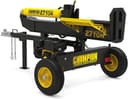
Champion 27-Ton Gas Log Splitter (Best Overall)
Homeowners and semi-pros who split large hardwood rounds regularly

WEN 56208 6.5-Ton Electric Log Splitter (Best Value Electric)
Budget-conscious homeowners splitting small to medium softwood and moderate hardwood
A log splitter turns hours of backbreaking axe work into a manageable afternoon project. Whether you're processing firewood for the winter or clearing storm debris, a quality log splitter (sometimes called a wood splitter) handles rounds that would take ten times longer to split by hand. But knowing how to use a log splitter properly is the difference between a productive day and a trip to the emergency room.
Here's what most people don't realize: log splitter injuries are almost always preventable. They happen when operators skip the setup checklist, stand in the wrong spot, or try to rush the process by holding logs during a split. I think the biggest misconception is that these machines are complicated. They're not. The machine does the hard work. Your job is to load, operate, and stay out of the way.
This guide walks you through everything from pre-operation safety checks to splitting technique, horizontal vs. vertical positioning, the mistakes that lead to injuries, and the maintenance that keeps your splitter running for years. From operator manuals and experienced splitter owners' feedback, the steps below cover exactly what you need to know. If you're still shopping for a splitter, check out our best log splitters roundup. And if you need to buck logs down to splittable rounds first, our best chainsaws guide covers the top picks for every budget.
Safety Gear You Need Before Splitting
Log splitting throws wood chips, bark, and debris in every direction. Dress for the job before you start the machine.
Safety glasses or a face shield. Wood fragments launch unpredictably when a round splits, especially with knotty hardwood. Safety glasses are the minimum. A full face shield is better if you're processing a large volume.
Steel-toed boots. Log rounds are heavy. A 16-inch oak round can weigh 50 to 80 pounds, and it only takes one rolling off the splitter onto your foot to ruin your day. Steel-toed boots also protect against the wedge if something shifts unexpectedly.
Work gloves. Unlike a table saw (where gloves are dangerous), gloves are appropriate when loading logs onto a splitter. They protect against splinters, rough bark, and cold metal in winter. Remove them only if they're loose enough to catch on moving parts.
Hearing protection. Gas-powered splitters produce 90 to 100+ decibels, well above the threshold for hearing damage. Even electric models are loud enough to warrant earplugs if you're splitting for extended periods. I'd suggest keeping a pack of foam earplugs in your splitter's toolbox so you never have an excuse to skip them.
Snug clothing. Avoid loose sleeves, drawstrings, or scarves that could catch on the hydraulic ram or control lever. Roll up your sleeves and tuck in anything that hangs.
Step-by-Step: How to Use a Log Splitter
Step 1: Position the Splitter on Level Ground
Place your log splitter on firm, flat ground. In my opinion, this is the single most overlooked step. Soft, uneven terrain allows the machine to shift or tip during operation, especially when you're loading heavy rounds. If you're working on a slope, use wheel chocks or blocks under the frame to prevent rolling.
Keep the area around the splitter clear of brush, tools, and debris. You need room to move freely on both sides, and split pieces will fall or fly to either side of the beam. A clear 6-foot perimeter is a good rule of thumb. Make sure bystanders, children, and pets stay well outside this zone.
Step 2: Check Fluids and Connections
For gas-powered splitters, check the engine oil and hydraulic fluid levels before every session. Low hydraulic fluid reduces splitting force and can damage the pump. Top off with the hydraulic fluid grade specified in your owner's manual (most residential splitters use AW-32 hydraulic oil).
For electric splitters, inspect the power cord for damage and plug into a grounded outlet or heavy-duty extension cord rated for the splitter's amperage. Never use a lightweight indoor extension cord.
For towable models, make sure the splitter is disconnected from the tow vehicle, the jack stand is down and locked, and the hitch is off the ground before you start. A splitter that shifts on its hitch during operation is a serious hazard.
Step 3: Start the Engine (or Plug In)
For gas splitters, follow the cold-start procedure in your owner's manual. This typically means setting the choke, turning the fuel valve on, and pulling the starter cord. Let the engine warm up for 30 to 60 seconds before loading a log. For electric models, simply plug in and confirm the motor responds to the control lever before loading.
Step 4: Load the Log Round
Place the log round on the splitter beam with the flat, cut end against the push plate (the end opposite the wedge). The flat end gives the ram a stable surface to push against. Never load a round with a jagged or angled cut face, because it can slip sideways under pressure. If one end isn't flat, position that end toward the wedge instead, or re-cut it with a chainsaw to create a clean face.
For horizontal splitters, simply roll or lift the round onto the beam. For vertical splitting (covered in detail below), tip the round upright on the base plate.
Critical rule: never hold the log in place with your hands while the ram is moving. Set the round, step back, and then engage the lever. What I find most important is this: no piece of firewood is worth your fingers. This is the single most important safety rule for learning how to use a log splitter.
Step 5: Engage the Ram and Split
With the log loaded and your hands clear, push or pull the control lever to activate the hydraulic ram. The ram will push the round steadily into the splitting wedge. On most residential splitters, a full cycle takes 10 to 15 seconds.
Keep your feet to the side of the beam, not in front of or behind it. Watch the round as it splits, but don't lean over the beam. Some rounds (especially ones with cross-grain or large knots) can pop apart suddenly, sending pieces sideways.
Most log splitters have an auto-return feature: release the lever once the split is complete, and the ram retracts automatically. On models with manual return, pull the lever in the opposite direction to retract.
Step 6: Clear the Split Pieces
After the ram retracts, remove the split pieces from the beam before loading the next round. Don't let half-split pieces stack up on the wedge. They can jam against the frame or fall unpredictably during the next cycle.
If a round doesn't split completely on the first pass, rotate it 90 degrees and run it through again. Stubborn, knotty rounds may need three or four passes. patience here is what separates experienced operators from beginners. Never try to force a log through by adding extra weight or pushing on it while the ram is active.
Step 7: Process Splits Into Final Size
Many rounds, especially those over 12 inches in diameter, need to be quartered or further reduced. This re-splitting step is where knowing how to use a log splitter efficiently really pays off. Take each half, place it flat-side down on the beam, and run it through again. For firewood, aim for pieces that are 3 to 6 inches across. This size dries faster and fits standard fireboxes and fire pits.
Step 8: Shut Down Properly
When you're finished, retract the ram fully, turn off the engine (or unplug the electric model), and let the machine cool down. Clean bark, chips, and debris off the beam and wedge. Wipe down any hydraulic fluid that leaked onto the frame. If you're storing the splitter outside, lower the tongue jack and cover the engine to protect it from moisture.
Horizontal vs. Vertical Splitting Position
Once you know how to use a log splitter in horizontal mode, the next skill is understanding vertical operation. Many log splitters offer both, and knowing when to use each position saves your back and keeps the process safer.
Horizontal Mode
Horizontal is the default position for most splitting. The beam sits parallel to the ground, and you load rounds by rolling or lifting them onto the beam from the side. This works well for rounds up to about 50 to 60 pounds, which you can easily maneuver at waist height. Most splitting sessions are done entirely in horizontal mode.
Vertical Mode
Vertical mode is designed for large, heavy rounds that are difficult or dangerous to lift onto a horizontal beam. In vertical mode, the wedge points downward (or upward, depending on the model), and you roll the round into position on the ground-level base plate rather than lifting it.
If you're processing rounds over 18 inches in diameter or rounds that weigh more than 80 pounds, switching to vertical mode is the smart move. I'd suggest making vertical mode your default any time a round feels heavy enough to strain your back. Attempting to deadlift a 100-pound oak round onto a horizontal beam is a recipe for back injuries.
To switch between modes, most splitters have a lockpin system. Consult your owner's manual for the specific procedure. Always shut off the engine before converting between positions.
Common Mistakes That Lead to Injuries
Holding the log while the ram moves. This is the number one cause of log splitter injuries. The ram exerts 20 to 35 tons of force (that tonnage is no joke). If the round shifts or splits unevenly while your hand is on it, the result is catastrophic. Load the log, remove your hands completely, and then engage the lever.
Standing in the split path. When a round splits, the two halves can fly apart with force. Standing directly in front of the wedge or at the end of the beam puts you in the path of flying wood. Stand to the side, offset from the beam.
Operating on uneven ground. A tilted splitter lets rounds roll off the beam unexpectedly. It can also cause the machine itself to tip under the weight of a heavy round loaded high on a horizontal beam. Always use level ground.
Splitting rounds that are too short. Rounds shorter than about 6 inches don't have enough surface area for the ram to push against reliably. They can slip, twist, or shoot sideways under pressure. If you need short splits, cut longer rounds first and then re-split the pieces.
Using the splitter alone in a remote area. Part of knowing how to use a log splitter responsibly is planning for emergencies. Log splitting often happens on rural properties, far from help. Always have someone nearby (or at least a charged phone within reach) in case of an emergency. If you're working alone, let someone know where you are and when you expect to finish.
Ignoring unusual noises. Grinding, squealing, or sluggish ram movement indicates a mechanical problem. Stop immediately and diagnose the issue. Running a splitter with low hydraulic fluid, a worn pump, or a damaged cylinder can lead to sudden failure.
Maintenance Tips to Keep Your Splitter Running
A well-maintained log splitter performs better and lasts longer. I think maintenance is where most people get lazy after the first season, and it shows in sluggish performance and costly repairs. These tasks take minimal time but make a real difference.
Check hydraulic fluid before every use. Low fluid is the most common cause of weak splitting force. Top off with the grade specified in your manual (typically AW-32). If the fluid looks milky or dark, it's contaminated and needs to be drained and replaced entirely.
Inspect hydraulic hoses and fittings. Look for cracks, bulges, wet spots, or loose connections. Hydraulic fluid under pressure can penetrate skin, so never use your hand to feel for leaks. Use a piece of cardboard instead. Replace any damaged hoses immediately.
Change the hydraulic filter. Most splitters have a hydraulic filter that should be replaced every 100 hours of use or once per season, whichever comes first. A clogged filter restricts flow and puts extra stress on the pump.
Keep the wedge sharp and clean. A dull wedge requires more force and is more likely to push the round off the beam instead of splitting it. In my experience comparing user feedback, a sharp wedge is the difference between clean splits and frustrating jams. File down any mushrooming or chips on the wedge edge with a metal file. Remove sap and bark buildup with a wire brush.
Maintain the engine (gas models). Follow your engine manufacturer's maintenance schedule for oil changes, spark plug replacement, air filter cleaning, and fuel system care. Stale gasoline is a common cause of starting problems. Use a fuel stabilizer if the splitter will sit for more than 30 days.
Grease the beam. Apply a light coat of grease or machine oil to the beam rail so the ram slides smoothly. This reduces wear on the cylinder and keeps cycle times consistent.
Store properly. If you're done splitting for the season, retract the ram fully, drain or stabilize the fuel, and store the splitter under cover. Moisture and freezing temperatures can damage hydraulic seals and corrode metal components. Covering the engine and sealing the hydraulic reservoir cap keeps water out.
If your splitting area gets messy with bark and debris, a pressure washer makes quick work of cleaning the machine and the surrounding area after a big session.
Recommended Tools
Ready to buy? These are the top picks from our best log splitter guide.
Champion 27-Ton Gas Log Splitter (Best Overall)
Champion 27-Ton Gas Log Splitter (Best Overall)
Homeowners and semi-pros who split large hardwood rounds regularly
Pros
- 27 tons handles virtually any hardwood species and diameter
- Horizontal/vertical operation for heavy rounds
- Towable at highway speeds with DOT-approved tires
- Auto-return valve and log catcher improve efficiency
Cons
- Heavy at 465 lbs, requires a tow vehicle or strong helpers to position
- 16-second cycle time is slower than some competitors
- Gas engine requires regular maintenance and produces exhaust
WEN 56208 6.5-Ton Electric Log Splitter (Best Value Electric)
WEN 56208 6.5-Ton Electric Log Splitter (Best Value Electric)
Budget-conscious homeowners splitting small to medium softwood and moderate hardwood
Pros
- Affordable entry point for powered log splitting
- Included portable stand reduces back strain
- Compact and lightweight for easy storage
- 2-year warranty with U.S.-based support
Cons
- 6.5 tons limits you to smaller, softer logs
- 20-second cycle time is the slowest in this roundup
- 10-inch max diameter excludes larger rounds
Final Thoughts
Learning how to use a log splitter safely comes down to a few core principles: set up on level ground, check your fluids, load the log with the flat end against the ram, keep your hands completely clear before engaging the lever, and stand to the side while the round splits. Every injury story traces back to someone skipping one of these steps.
I think the most rewarding part of knowing how to use a log splitter is the sheer efficiency. What used to be a full weekend of splitting with a maul becomes a single afternoon. The machine does the hard work. Your job is to respect the process, maintain the equipment, and never rush. A well-maintained wood splitter will process cord after cord of firewood for years with zero drama, as long as you follow the fundamentals every single time.
If you're still deciding which splitter to buy, our best log splitters roundup breaks down the top picks across manual, electric, and gas models. And if you need to buck raw timber into splittable rounds first, our best chainsaws guide has you covered.
Stay safe, split smart, and enjoy the satisfaction of a full woodpile.
Affiliate Disclosure
This post contains affiliate links. As an Amazon Associate, HomeBuildLab earns from qualifying purchases at no additional cost to you. Learn more
Looking for the right tools and products?
Check out our product reviews and buying guides to find the best gear for your project.
Browse Reviews