Best Hedge Trimmers in 2026: Cordless, Corded, and Gas Models Compared
Quick Comparison
| Product | Best For | Buy |
|---|---|---|
 EGO Power+ HT2411 24" 56V Cordless Hedge Trimmer (Best Overall) EGO · Battery (56V ARC Lithium) · 6.2 lbs (with battery) | Homeowners who want top-tier cordless performance with thick-branch capability | |
 Milwaukee M18 FUEL 2726-20 24" Cordless Hedge Trimmer (Best for Pros) Milwaukee · Battery (M18 18V Lithium-Ion) · 8.6 lbs (with battery) | Landscapers and serious homeowners who want commercial-grade durability | |
 Makita XHU08Z 18V LXT 30" Cordless Hedge Trimmer (Best Long Reach) Makita · Battery (18V LXT Lithium-Ion) · 7.7 lbs (bare tool) | Homeowners with wide hedges who want fewer passes and adjustable speed | |
 DeWalt DCHT820B 20V MAX 22" Cordless Hedge Trimmer (Best Budget Cordless) DeWalt · Battery (20V MAX Lithium-Ion) · 7.5 lbs (with battery) | DeWalt owners who want a reliable cordless trimmer without breaking the bank | |
 Greenworks 40V 24" Cordless Hedge Trimmer HT40B212 (Best Value Cordless) Greenworks · Battery (40V Lithium-Ion) · 9.6 lbs (with battery) | Budget-conscious homeowners who want a complete kit with strong cutting capacity | |
 BLACK+DECKER BEHT350FF 22" Corded Electric Hedge Trimmer (Best Corded) BLACK+DECKER · Corded (120V, 4.0 Amp) · 6.0 lbs | Small-yard homeowners who want reliable power without managing batteries | |
 SENIX HT4QL-L 26.5cc 4-Cycle Gas Hedge Trimmer (Best Gas) SENIX · Gas (26.5cc 4-cycle) · 13.0 lbs | Homeowners with thick, overgrown hedges and large properties beyond cord or battery range |
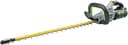
EGO Power+ HT2411 24" 56V Cordless Hedge Trimmer (Best Overall)
Homeowners who want top-tier cordless performance with thick-branch capability
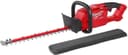
Milwaukee M18 FUEL 2726-20 24" Cordless Hedge Trimmer (Best for Pros)
Landscapers and serious homeowners who want commercial-grade durability
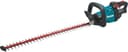
Makita XHU08Z 18V LXT 30" Cordless Hedge Trimmer (Best Long Reach)
Homeowners with wide hedges who want fewer passes and adjustable speed
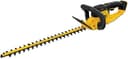
DeWalt DCHT820B 20V MAX 22" Cordless Hedge Trimmer (Best Budget Cordless)
DeWalt owners who want a reliable cordless trimmer without breaking the bank
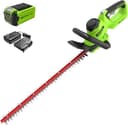
Greenworks 40V 24" Cordless Hedge Trimmer HT40B212 (Best Value Cordless)
Budget-conscious homeowners who want a complete kit with strong cutting capacity
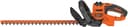
BLACK+DECKER BEHT350FF 22" Corded Electric Hedge Trimmer (Best Corded)
Small-yard homeowners who want reliable power without managing batteries
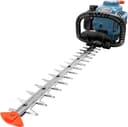
SENIX HT4QL-L 26.5cc 4-Cycle Gas Hedge Trimmer (Best Gas)
Homeowners with thick, overgrown hedges and large properties beyond cord or battery range
A hedge trimmer is one of those tools you don't think about until your boxwoods start looking like they belong in a horror movie. The right one makes trimming feel effortless. The wrong one turns a simple Saturday chore into an arm-numbing ordeal that leaves your hedges looking worse than when you started.
Here's the truth about choosing the best hedge trimmer: most homeowners overthink it. the real decision comes down to three factors. How thick are your branches? How far are you from an outlet? And how long can you hold the thing above your head before your arms give out? Everything else is secondary.
I compared seven hedge trimmers across cordless, corded, and gas power sources to find the best option for every yard and budget. Whether you have a few small boxwoods or a 200-foot privacy hedge of thick arborvitae, one of these picks will match your needs.
Quick Picks: Best Hedge Trimmers at a Glance
- Best Overall: EGO Power+ HT2411. I'd pick this for most homeowners: 56V brushless motor with 1-inch cutting capacity and a 5-year warranty.
- Best for Pros: Milwaukee M18 FUEL 2726-20. 3,400 SPM with an all-metal gear case built for daily use.
- Best Long Reach: Makita XHU08Z. 30-inch blade handles wide hedges in fewer passes.
- Best Budget Cordless: DeWalt DCHT820B. Reliable 20V MAX platform at an entry-level price point.
- Best Value Cordless: Greenworks 40V HT40B212. 1-inch cutting capacity with battery and charger included.
- Best Corded: BLACK+DECKER BEHT350FF. Lightweight 4-amp motor for small yards near an outlet.
- Best Gas: SENIX HT4QL-L. In my opinion, the best no-hassle gas option with its 4-cycle engine and no oil mixing.
What to Look for in a Hedge Trimmer
Before diving into the reviews, here are the specs that actually determine whether a hedge trimmer works well for your situation.
Blade length controls how much hedge you trim per pass. An 18-inch blade is fine for small, decorative shrubs. A 22 to 24-inch blade covers most residential hedges efficiently. A 30-inch blade is ideal for wide privacy hedges where you want fewer passes. Longer blades add weight and reduce maneuverability, so choose the shortest blade that handles your largest hedge.
Cutting capacity refers to the maximum branch thickness the trimmer can handle. Most homeowners need 3/4-inch capacity for maintained hedges. If you let hedges get overgrown or have woody shrubs like privet or holly, look for 1-inch capacity or greater. Trying to force branches thicker than the rated capacity damages blades and stalls the motor.
Power source is your first decision. Cordless (battery) trimmers offer freedom of movement and enough power for most residential work. Corded electric trimmers cost less and never run out of power, but the cord limits your range and gets caught on everything. Gas trimmers deliver the most sustained power for thick growth and long hedge lines, but they are heavier, louder, and require more maintenance.
Weight matters more than people realize. You will hold this tool at chest height or above your head for extended periods. A 6-pound trimmer feels manageable for an hour. A 13-pound gas trimmer becomes exhausting after 20 minutes of overhead work. If you have long hedge lines, prioritize lighter weight over raw power.
Blade type affects cut quality. Dual-action (double-sided) blades cut in both directions, reducing vibration and producing cleaner cuts. Single-action blades vibrate more but are sometimes found on budget models. Every trimmer in this roundup uses dual-action blades.
Strokes per minute (SPM) indicates how fast the blades reciprocate. Higher SPM means cleaner cuts and faster work. Most quality trimmers range from 2,800 to 4,400 SPM. Anything above 3,000 SPM handles typical residential hedges well.
My Top Picks
EGO Power+ HT2411 24" 56V Cordless Hedge Trimmer (Best Overall)
EGO Power+ HT2411 24" 56V Cordless Hedge Trimmer (Best Overall)
Homeowners who want top-tier cordless performance with thick-branch capability
Pros
- 1-inch cutting capacity handles thick, overgrown branches
- Lightweight at 6.2 lbs for comfortable overhead work
- Battery and charger included in the kit
- 5-year tool warranty is best in class
Cons
- 2.5 Ah battery limits runtime on large properties
- No variable speed control
- Premium price compared to basic cordless models
The EGO HT2411 earns the top spot because, in my opinion, it combines the cutting power usually reserved for gas trimmers with the convenience of a cordless tool. The 1-inch cutting capacity is the highest among cordless models at this price, meaning you can tackle overgrown hedges and woody shrubs without switching to a heavier tool. The brushless motor delivers 3,000 SPM for clean, efficient cuts.
At just 6.2 pounds with the 2.5 Ah battery installed, the HT2411 is light enough for extended overhead trimming sessions. The 24-inch dual-action hardened steel blades handle most residential hedges in efficient passes, and the electronic brake stops the blades quickly when you release the trigger.
The included 2.5 Ah battery and charger mean you are ready to work out of the box. If you already own EGO outdoor power tools like a leaf blower or chainsaw, the battery swaps between all 75+ tools in the 56V system. The 5-year tool warranty and 3-year battery warranty are the best coverage in the cordless category.
Milwaukee M18 FUEL 2726-20 24" Cordless Hedge Trimmer (Best for Pros)
Milwaukee M18 FUEL 2726-20 24" Cordless Hedge Trimmer (Best for Pros)
Landscapers and serious homeowners who want commercial-grade durability
Pros
- 3,400 SPM cutting speed for fast, clean work
- All-metal gear case built for commercial durability
- Up to 2 hours of runtime with high-capacity battery
- Compatible with 250+ Milwaukee M18 tools
Cons
- Heavier at 8.6 lbs with battery
- Sold as tool only (battery and charger separate)
- 3/4-inch cutting capacity limits use on overgrown hedges
The Milwaukee M18 FUEL is the hedge trimmer built for people who use one every day. The all-metal gear case and slider-crank mechanism are designed to survive the abuse of commercial landscaping, not just weekend trimming sessions. At 3,400 SPM, it delivers the second-fastest cutting speed in this roundup, and the brushless motor provides up to 2 hours of runtime on a single charge with a high-capacity battery.
The FUEL designation means you get Milwaukee's top-tier brushless motor technology, which runs cooler, lasts longer, and delivers more consistent power as the battery drains. If you already own Milwaukee M18 tools (drills, saws, blowers), this trimmer slots right into your existing battery ecosystem without buying new chargers or batteries.
The tradeoff is weight. At 8.6 pounds with a battery, the Milwaukee is noticeably heavier than the EGO. For a landscaper trimming dozens of hedges per day, the durability justifies the extra weight. For a homeowner with a few bushes, the EGO is a better fit. This is a tool only purchase, so factor in the cost of an M18 battery if you do not already own one.
Makita XHU08Z 18V LXT 30" Cordless Hedge Trimmer (Best Long Reach)
Makita XHU08Z 18V LXT 30" Cordless Hedge Trimmer (Best Long Reach)
Homeowners with wide hedges who want fewer passes and adjustable speed
Pros
- 30-inch blade covers wide hedges in fewer passes
- 3-speed control (2,000/3,600/4,400 SPM) for versatile trimming
- 5-position rotating handle reduces wrist fatigue
- 7/8-inch cutting capacity handles most overgrown hedges
Cons
- Tool only (battery and charger sold separately)
- Heavier at 7.7 lbs bare, around 9 lbs with battery
- Longer blade is less maneuverable in tight spaces
The Makita XHU08Z has the longest blade in this roundup at 30 inches, which means fewer passes on wide hedges and faster overall trimming. If you have a long row of arborvitae, boxwood, or privet, the extra 6 inches of blade length over a standard 24-inch trimmer adds up to significantly less time on the job.
What I like most about the Makita is the 3-speed selector. Low speed (2,000 SPM) works for light touch-up trimming and reduces noise. Medium (3,600 SPM) handles regular maintenance. High speed (4,400 SPM) is the fastest in this roundup and powers through thick branches with ease. The 7/8-inch cutting capacity sits between the EGO's 1-inch and the DeWalt's 3/4-inch, handling most overgrown residential hedges.
The 5-position rotating rear handle lets you adjust the grip angle when switching between horizontal top cuts and vertical side cuts. This is a genuine comfort upgrade that reduces wrist strain during extended trimming. If you already own Makita 18V LXT tools, the battery compatibility makes this an easy addition to your collection.
DeWalt DCHT820B 20V MAX 22" Cordless Hedge Trimmer (Best Budget Cordless)
DeWalt DCHT820B 20V MAX 22" Cordless Hedge Trimmer (Best Budget Cordless)
DeWalt owners who want a reliable cordless trimmer without breaking the bank
Pros
- Affordable entry point for cordless hedge trimming
- Hooked-tooth blade design grips branches for cleaner cuts
- Friction clutch protects the drivetrain from impacts
- Compatible with the entire DeWalt 20V MAX ecosystem
Cons
- 2,800 SPM is the slowest cordless option in this roundup
- 22-inch blade is shorter than most competitors
- Sold as tool only (battery separate)
The DeWalt DCHT820B does the job without the premium price tag. The laser-cut, hooked-tooth blade design grips branches and pulls them into the cut rather than deflecting them, which produces cleaner results than straight-tooth blades. At 2,800 SPM, the cutting speed is adequate for maintained hedges, though noticeably slower than the Milwaukee or Makita.
The friction clutch is a practical safety feature that engages when the blades hit an obstacle, protecting the transmission from damage. This matters if you accidentally contact a fence post, wire, or hidden branch stub. It is a feature usually found on more expensive trimmers.
For homeowners already invested in DeWalt's 20V MAX battery platform, the DCHT820B is the most affordable way to add a hedge trimmer. The 22-inch blade handles typical shrubs and hedges, though it will feel short compared to a 24 or 30-inch model on wide hedges. The 3/4-inch cutting capacity means you will need to keep up with regular trimming rather than letting hedges grow out of control.
Greenworks 40V 24" Cordless Hedge Trimmer HT40B212 (Best Value Cordless)
Greenworks 40V 24" Cordless Hedge Trimmer HT40B212 (Best Value Cordless)
Budget-conscious homeowners who want a complete kit with strong cutting capacity
Pros
- 1-inch cutting capacity matches premium models
- Battery and charger included at a budget-friendly price
- Rotating rear handle for comfortable vertical cuts
- Compatible with 75+ Greenworks 40V tools
Cons
- Heavier at 9.6 lbs with battery
- 2.0 Ah battery has limited runtime for large properties
- Build quality does not match premium brands
I think the Greenworks HT40B212 is the sleeper pick in this roundup. It delivers the same 1-inch cutting capacity as the EGO at roughly half the price, and it comes with a 2.0 Ah battery and charger included. For homeowners who do not already own a cordless tool ecosystem, this is the most practical way to get into cordless hedge trimming without spending over $200.
The 24-inch dual-action laser-cut steel blades handle most residential hedges, and the rotating rear handle lets you adjust your grip angle for vertical side trimming. The 40V battery platform powers over 75 Greenworks tools, so your investment grows with your tool collection.
The tradeoff compared to the EGO is build quality and weight. At 9.6 pounds with the battery, the Greenworks is noticeably heavier, and the 2.0 Ah battery provides less runtime than the EGO's 2.5 Ah cell. If you have a small to medium yard and trim hedges a few times per year, these differences barely matter. The Greenworks gets the same work done for less money.
BLACK+DECKER BEHT350FF 22" Corded Electric Hedge Trimmer (Best Corded)
BLACK+DECKER BEHT350FF 22" Corded Electric Hedge Trimmer (Best Corded)
Small-yard homeowners who want reliable power without managing batteries
Pros
- Unlimited runtime with no battery to charge
- Lightest corded trimmer at 6 lbs
- Very affordable at around $55
- Wraparound handle for secure grip in any position
Cons
- Extension cord limits range and creates snag hazards
- 3/4-inch cutting capacity is not enough for overgrown hedges
- No variable speed control
If your hedges are within extension cord reach, I'd argue the BLACK+DECKER BEHT350FF makes a strong case against spending three times more on a cordless model. The 4.0-amp motor never loses power mid-job, starts instantly, and cuts branches up to 3/4 inch thick with the dual-action hardened steel blade. You will never wait for a battery to charge or wonder if you have enough juice to finish the job.
The full wraparound front handle provides a secure grip regardless of your hand position, which matters when switching between horizontal top cuts and angled side passes. The built-in cord retainer keeps the extension cord connected to the trimmer, preventing the frustrating mid-cut unplugging that plagues corded tools.
At 6 pounds, this is the second lightest trimmer in the roundup (behind the EGO by a fraction), making it comfortable for extended overhead work. The obvious limitation is the cord. You need a heavy-duty outdoor extension cord (12-gauge for runs over 50 feet), and you will spend mental energy managing the cord around corners and obstacles. For a small yard with hedges close to the house, that is a minor inconvenience. For a large property, go cordless.
SENIX HT4QL-L 26.5cc 4-Cycle Gas Hedge Trimmer (Best Gas)
SENIX HT4QL-L 26.5cc 4-Cycle Gas Hedge Trimmer (Best Gas)
Homeowners with thick, overgrown hedges and large properties beyond cord or battery range
Pros
- 4-cycle engine needs no oil mixing
- 1-1/8-inch cutting capacity is the highest in this roundup
- Unlimited runtime on a tank of gas
- Rotating rear handle and included blade cover
Cons
- Heaviest in the roundup at 13 lbs
- Louder than electric or battery options
- Requires engine maintenance (spark plug, air filter)
The SENIX HT4QL-L is the gas option for homeowners who need raw cutting power and unlimited runtime but do not want the hassle of mixing gas and oil. The 4-cycle engine runs on straight gasoline, which eliminates the most annoying aspect of owning gas outdoor power equipment. The 26.5cc engine delivers the most sustained power in this roundup, and the 1-1/8-inch cutting capacity handles the thickest branches of any trimmer on this list.
The 22-inch dual-action laser-cut blades provide clean cuts, and the rotating rear handle lets you adjust grip angle for vertical trimming. The kit includes a blade cover and safety glasses, which is a thoughtful addition that most competitors skip. The 3-year warranty provides solid coverage for a gas tool.
The downsides are weight and noise. At 13 pounds, this trimmer will fatigue your arms faster than any cordless or corded option. Gas engines are louder than electric motors, so plan your trimming around your neighbors' schedules. If you have thick privet hedges, overgrown holly, or dense arborvitae that choke out battery trimmers, the SENIX's gas power and superior cutting capacity make it worth the extra weight. For maintained hedges with branches under 3/4 inch, save your arms and go cordless.
Cordless vs. Corded vs. Gas: Which Power Source Is Right?
Choosing a power source is the most important decision, so here is a straightforward breakdown.
Cordless (battery) is the right choice for most homeowners. Modern 40V and 56V trimmers deliver enough power for typical residential hedges, weigh 6 to 10 pounds, and let you move freely around your yard. The only limitations are runtime (30 to 90 minutes depending on the battery) and price (battery trimmers cost more upfront). If you already own a battery platform from your chainsaw, pole saw, or leaf blower, buying into the same ecosystem saves money on batteries and chargers.
Corded electric makes sense for small yards where all your hedges sit within 100 feet of an outlet. You get unlimited runtime, instant starts, and the lowest purchase price. The cord is the only real downside, but for a homeowner with a few bushes near the house, it is a manageable tradeoff.
Gas is reserved for specific situations: very thick hedges, very large properties, or professional landscaping where you trim hedges all day. The 4-cycle SENIX eliminates the oil-mixing hassle, but you still deal with engine maintenance, heavier weight, and more noise. Unless your hedges regularly produce branches over 1 inch thick or you have acres to trim, cordless handles the job with less effort.
Hedge Trimming Tips for Better Results
Getting the most from your hedge trimmer is about technique, not just tool quality.
Trim early and often. Cutting small amounts of new growth is easier on your trimmer, produces cleaner results, and keeps hedges dense. Waiting until hedges are wildly overgrown forces you to cut thick woody branches that dull blades and strain motors.
Cut the sides first, then the top. Start from the bottom of each side and sweep upward so clippings fall away from the uncut section. Finish with the top for a clean look.
Angle the sides slightly inward. The base of the hedge should be wider than the top. This "A-frame" shape lets sunlight reach the lower branches, preventing the bare-bottom look that plagues poorly trimmed hedges.
Keep blades clean and lubricated. Wipe sap and debris off the blades after every use. Apply blade lubricant or spray-on silicone to reduce friction and prevent rust. Clean blades cut better and last longer.
Use the right extension cord. For corded trimmers, use a 12-gauge outdoor extension cord for runs over 50 feet. A thin cord drops voltage, overheating the motor and reducing performance. For shorter runs, a 14-gauge cord is acceptable.
Common Questions About Hedge Trimmers
How often should I trim my hedges? Most hedges benefit from trimming 2 to 3 times per growing season. Fast-growing species like privet may need monthly trimming. Slow-growing species like boxwood may only need trimming once or twice.
Can a hedge trimmer cut through thick branches? Hedge trimmers are designed for branches up to about 1 inch thick. For anything thicker, use a pole saw or loppers. Forcing thick branches through a hedge trimmer damages the blades and can stall the motor.
Do I need a gas hedge trimmer? Most homeowners do not. A 40V or 56V cordless trimmer handles typical residential hedges with less weight, noise, and maintenance. Gas trimmers are best for professional landscapers and homeowners with very thick hedges or very large properties.
How long do hedge trimmer blades last? With proper maintenance (cleaning after use, regular lubrication, occasional sharpening), quality blades last 3 to 5 years of residential use. Cutting branches beyond the rated capacity and hitting fences or wire are the fastest ways to damage blades.
Final Thoughts
the best hedge trimmer for most homeowners is a cordless model with at least 3/4-inch cutting capacity and a 22 to 24-inch blade. The EGO Power+ HT2411 is my top pick because it delivers 1-inch cutting capacity, a brushless motor, and a 5-year warranty in a 6.2-pound package that will not wear out your arms.
If you need the longest blade, the Makita XHU08Z and its 30-inch reach covers wide hedges faster than anything else in this roundup. If budget matters most, the BLACK+DECKER BEHT350FF delivers reliable corded performance for around $55, and the Greenworks HT40B212 gives you cordless freedom with a battery and charger included for about $130.
For homeowners already invested in a battery platform, buy the hedge trimmer that matches your existing batteries. DeWalt 20V MAX owners get the DCHT820B. Milwaukee M18 owners get the 2726-20. Makita 18V LXT owners get the XHU08Z. Sharing batteries across your chainsaw, leaf blower, and hedge trimmer is the smartest way to build out your yard tool collection without wasting money on redundant batteries.
Whatever you choose, I firmly believe the best hedge trimmer is the one you actually use on a regular schedule. Consistent trimming of small growth is always easier and produces better results than occasional battles with overgrown bushes.
Affiliate Disclosure
This post contains affiliate links. As an Amazon Associate, HomeBuildLab earns from qualifying purchases at no additional cost to you. Learn more
Looking for the right tools and products?
Check out our product reviews and buying guides to find the best gear for your project.
Browse Reviews