Best Leaf Blowers in 2026: Battery, Corded, and Gas Power Compared
Quick Comparison
| Product | Best For | Buy |
|---|---|---|
 EGO Power+ LB6504 56V 650 CFM Blower (Best Overall) EGO · Battery (56V ARC Lithium) · 9.7 lbs (with battery) | Homeowners with quarter-acre to half-acre yards who want one blower that handles everything | |
 Greenworks 80V 730 CFM Brushless Blower (Best for Large Yards) Greenworks · Battery (80V Li-Ion) · 8.8 lbs (bare tool) | Homeowners with half-acre to one-acre properties who need maximum cordless power | |
 DeWalt DCBL772X1 60V FLEXVOLT 600 CFM Blower (Best for Tool System Owners) DeWalt · Battery (60V MAX FLEXVOLT) · 9.1 lbs (with battery) | DeWalt battery owners who want a capable blower without buying into a new platform | |
 Milwaukee M18 FUEL 2724-20 Blower (Best Compact Cordless) Milwaukee · Battery (M18, 18V) · 4.9 lbs (bare tool) | Milwaukee M18 users who need a lightweight blower for quick cleanups and jobsite dust | |
 WORX WG521 Turbine 800 CFM Corded Blower (Best Corded Electric) WORX · Corded Electric (12 Amp) · 6.6 lbs | Budget-conscious homeowners with small to medium yards who want maximum power without batteries | |
 Echo PB-2520 25.4cc Gas Handheld Blower (Best Gas Handheld) Echo · Gas (2-cycle, 50:1 mix) · 8.6 lbs (dry) | Homeowners who want gas reliability and power without the bulk of a backpack blower | |
 Husqvarna 350BT 50.2cc Gas Backpack Blower (Best Gas Backpack) Husqvarna · Gas (2-cycle) · 22.5 lbs | Owners of large properties (1+ acres) who need sustained, high-power blowing for heavy debris |
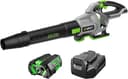
EGO Power+ LB6504 56V 650 CFM Blower (Best Overall)
Homeowners with quarter-acre to half-acre yards who want one blower that handles everything
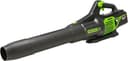
Greenworks 80V 730 CFM Brushless Blower (Best for Large Yards)
Homeowners with half-acre to one-acre properties who need maximum cordless power
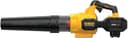
DeWalt DCBL772X1 60V FLEXVOLT 600 CFM Blower (Best for Tool System Owners)
DeWalt battery owners who want a capable blower without buying into a new platform
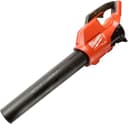
Milwaukee M18 FUEL 2724-20 Blower (Best Compact Cordless)
Milwaukee M18 users who need a lightweight blower for quick cleanups and jobsite dust
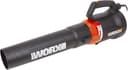
WORX WG521 Turbine 800 CFM Corded Blower (Best Corded Electric)
Budget-conscious homeowners with small to medium yards who want maximum power without batteries
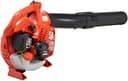
Echo PB-2520 25.4cc Gas Handheld Blower (Best Gas Handheld)
Homeowners who want gas reliability and power without the bulk of a backpack blower
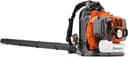
Husqvarna 350BT 50.2cc Gas Backpack Blower (Best Gas Backpack)
Owners of large properties (1+ acres) who need sustained, high-power blowing for heavy debris
Choosing the best leaf blower sounds simple until you realize how many options exist. Battery, corded electric, gas. Handheld, backpack. 400 CFM, 700 CFM. The specs pile up, the marketing gets louder, and you still just need to clear leaves off your driveway without waking up the neighborhood or throwing out your shoulder. I think the sheer number of choices paralyzes more buyers than any single spec sheet.
Here's the truth: most homeowners are best served by a cordless battery blower in 2026. The technology has caught up. Modern 56V and 60V battery blowers push enough air to handle a half-acre yard on a single charge, and they start with a trigger pull instead of a stubborn pull cord. Gas still wins for large properties and heavy, wet debris. Corded electric wins on price. But for the average suburban yard, battery is the sweet spot of power, convenience, and noise.
I compared seven leaf blowers across battery, corded electric, and gas categories to find the best option for every yard size, budget, and tolerance for noise. Whether you are clearing a small patio or managing an acre of oak trees, one of these blowers fits your needs.
Quick Picks: Best Leaf Blowers at a Glance
- Best Overall: EGO Power+ LB6504. 650 CFM cordless with 56V battery, strong performance, and low noise. I'd pick this for most homeowners without hesitation.
- Best for Large Yards: Greenworks 80V BL80L02. 730 CFM brushless motor handles big properties.
- Best for Tool System Owners: DeWalt DCBL772X1. 60V FLEXVOLT with 600 CFM for DeWalt battery users.
- Best Compact Cordless: Milwaukee M18 FUEL 2724-20. Lightweight 4.9 lb blower for the M18 ecosystem.
- Best Corded Electric: WORX WG521 Turbine 800. 800 CFM at under 7 lbs with no batteries to charge.
- Best Gas Handheld: Echo PB-2520. Reliable 25.4cc gas blower with 453 CFM and easy starting.
- Best Gas Backpack: Husqvarna 350BT. Professional-grade 692 CFM backpack for large properties.
What to Look for in a Leaf Blower
Before you buy, understand the specs that actually matter. Manufacturers love to highlight their biggest numbers, but context determines whether those numbers help you.
CFM (Cubic Feet per Minute) measures the volume of air a blower moves. Higher CFM means you can push more leaves in a single pass. For a small patio or deck, 400 CFM is plenty. For a quarter-acre yard with moderate leaf coverage, 500 to 650 CFM works well. For large yards with heavy, wet leaves, look for 700 CFM or more.
MPH (Miles Per Hour) measures how fast the air moves at the nozzle. Higher MPH helps dislodge wet, matted leaves stuck to pavement or grass. A blower with high CFM and low MPH moves a lot of air gently. A blower with high MPH and lower CFM concentrates force into a narrow stream. The best blowers balance both metrics.
Power source is your first decision. Battery (cordless) blowers offer quiet operation, instant starting, and zero emissions. They are ideal for suburban lots up to half an acre. Corded electric blowers deliver unlimited runtime at the lowest cost but restrict your range to an extension cord. Gas blowers provide the most power and longest runtime for large properties, but they are louder, heavier, and require fuel mixing and engine maintenance.
Weight matters more than most buyers realize. You are holding this tool at arm's length, sometimes for 30 minutes or more. A 5 lb blower feels very different from a 10 lb blower after 20 minutes. Backpack models distribute weight across your shoulders and hips, making heavier gas engines manageable for extended use.
Noise is increasingly regulated by local ordinances. Many communities restrict gas-powered leaf blowers entirely. Battery blowers typically produce 60 to 65 dB, roughly the volume of a normal conversation. Gas blowers hit 75 to 100 dB, which requires hearing protection and may violate local rules. Check your local ordinances before buying gas.
Variable speed gives you control over power output. Full blast is great for wet leaves on a driveway but terrible for mulch beds where you will scatter material everywhere. A blower with a variable speed trigger or multiple speed settings lets you match power to the task.
Our Top Picks
EGO Power+ LB6504 56V 650 CFM Blower (Best Overall)
EGO Power+ LB6504 56V 650 CFM Blower (Best Overall)
Homeowners with quarter-acre to half-acre yards who want one blower that handles everything
Pros
- Excellent balance of power (650 CFM / 180 MPH) and runtime
- Quiet 64 dB operation, safe for noise-restricted neighborhoods
- Battery and charger included in the kit
- Variable speed with turbo button for on-demand power
Cons
- 9.7 lbs with battery is noticeable during extended use
- Turbo mode drains the battery quickly (about 20 minutes)
- Premium price compared to corded alternatives
the EGO Power+ LB6504 is the best leaf blower for most homeowners. It delivers 650 CFM and 180 MPH, which is enough airflow to handle wet leaves on pavement, dry leaves on grass, and light debris on gravel without breaking a sweat. The 56V 5.0Ah battery provides up to 90 minutes of runtime on the lowest setting, though you will get closer to 20 to 25 minutes using the turbo mode that actually clears stubborn debris.
What I like most about the LB6504 is the combination of raw power and usability. The variable speed dial lets you adjust airflow from 225 to 470 CFM on the standard settings, with a turbo button that pushes to the full 650 CFM when you need it. The noise level sits at just 64 dB, which means you can blow leaves early in the morning without your neighbors filing a complaint.
The included 5.0Ah battery and charger eliminate the "tool only" trap where you spend $200 on a blower and another $200 on a battery. EGO's 56V battery platform is one of the largest in the outdoor power tool space, so this battery works with their mowers, trimmers, and chainsaws. If you are building a yard tool collection, that ecosystem matters.
Greenworks 80V 730 CFM Brushless Blower (Best for Large Yards)
Greenworks 80V 730 CFM Brushless Blower (Best for Large Yards)
Homeowners with half-acre to one-acre properties who need maximum cordless power
Pros
- 730 CFM is among the highest for handheld cordless blowers
- Brushless motor for efficiency and longevity
- Cruise control reduces hand fatigue on big jobs
- Compatible with all Greenworks 80V batteries (75+ tools)
Cons
- Battery and charger sold separately (adds $100 to $150)
- 80V ecosystem is smaller than EGO, DeWalt, or Milwaukee
- 170 MPH air speed is lower than some competitors despite higher CFM
The Greenworks 80V pushes 730 CFM, making it one of the most powerful handheld cordless blowers available. That extra airflow over the 500 to 650 CFM range makes a real difference when you are dealing with heavy, wet oak leaves or clearing a long gravel driveway. The brushless motor provides 2x more torque than brushed alternatives and extends the motor's lifespan significantly.
The 80V platform gives Greenworks a voltage advantage over the 56V and 60V competition, and it translates to noticeably more sustained power under load. Runtime on a 2.5Ah battery is around 60 minutes on the low setting. A cruise control lever lets you lock in a steady speed without holding the trigger, reducing hand fatigue during long sessions.
One important note: this blower is sold as tool-only at the lower price point. If you do not already own Greenworks 80V batteries, budget for a battery and charger kit, which adds roughly $100 to $150. If you already run Greenworks 80V tools for your mower or trimmer, this blower is an easy and affordable addition.
DeWalt DCBL772X1 60V FLEXVOLT 600 CFM Blower (Best for Tool System Owners)
DeWalt DCBL772X1 60V FLEXVOLT 600 CFM Blower (Best for Tool System Owners)
DeWalt battery owners who want a capable blower without buying into a new platform
Pros
- FLEXVOLT battery works across the entire DeWalt 20V/60V ecosystem
- Solid 600 CFM / 125 MPH handles most residential yards
- Variable speed trigger and speed lock for ergonomic operation
- Durable construction with brushless motor
Cons
- 125 MPH is lower than competing 56V and 80V blowers
- At $329, it is one of the pricier cordless options
- 9.1 lbs with battery adds up over longer sessions
If you already own DeWalt 20V MAX or 60V FLEXVOLT tools, this blower is the most logical choice. The FLEXVOLT battery system is backward-compatible with the entire 20V MAX lineup, so the 3.0Ah 60V battery included with this blower also powers your drill, impact driver, and circular saw. That cross-compatibility is a genuine cost advantage if you are already invested in the yellow ecosystem.
The DCBL772X1 delivers 600 CFM and 125 MPH. Those numbers are slightly below the EGO and Greenworks in raw airflow, but they are more than sufficient for suburban yards up to a third of an acre. The brushless motor is efficient, and the variable speed trigger gives you precise control from a gentle breeze for flower beds to full blast for the driveway.
Build quality is typical DeWalt: robust, well-made, and built for people who use tools hard. The axial fan design produces a more focused airstream than radial designs, which helps compensate for the lower CFM with better directed force. The speed lock function lets you set a constant speed without holding the trigger.
Milwaukee M18 FUEL 2724-20 Blower (Best Compact Cordless)
Milwaukee M18 FUEL 2724-20 Blower (Best Compact Cordless)
Milwaukee M18 users who need a lightweight blower for quick cleanups and jobsite dust
Pros
- Extremely lightweight at 4.9 lbs (bare tool)
- Whisper-quiet 62 dB operation
- Compatible with 275+ Milwaukee M18 tools
- Reaches full throttle in under one second
Cons
- 450 CFM is underpowered for large yards with heavy leaf coverage
- Battery and charger sold separately
- Not suitable as a primary blower for properties over a quarter acre
The Milwaukee M18 FUEL blower is the lightest cordless blower in this roundup at just 4.9 lbs without a battery. In my opinion, that weight savings is not a gimmick. When you are blowing off a porch, clearing sawdust from a workshop, or doing a quick pass across the front walkway, a sub-5-pound blower is a joy to use. You will actually grab it for small tasks because it is not a burden to pick up.
At 450 CFM and 120 MPH, the M18 FUEL is not the most powerful blower here. It is designed for quick, frequent use rather than marathon leaf-clearing sessions. The POWERSTATE brushless motor reaches full throttle in under one second, and the noise level is a remarkably low 62 dB. That makes it one of the quietest blowers you can buy, period.
The M18 platform is Milwaukee's flagship system with over 275 compatible tools. If you already own M18 batteries from your drill, impact driver, or other Milwaukee tools, this blower costs just $159 as a bare tool. Pair it with a HIGH OUTPUT 8.0Ah or 12.0Ah battery for maximum runtime. For light-duty and workshop use, even a 5.0Ah battery delivers plenty of runtime.
WORX WG521 Turbine 800 CFM Corded Blower (Best Corded Electric)
WORX WG521 Turbine 800 CFM Corded Blower (Best Corded Electric)
Budget-conscious homeowners with small to medium yards who want maximum power without batteries
Pros
- 800 CFM is the highest airflow in this roundup
- Unlimited runtime (no battery to drain)
- Lightweight at 6.6 lbs
- Unbeatable value at around $70
Cons
- Extension cord limits range and creates tripping hazards
- No vacuum or mulch function
- 12-amp draw requires a heavy-duty extension cord
I think the WORX Turbine 800 is the most underrated blower in this roundup. It is the most powerful by raw CFM, and it costs less than a quarter of the premium cordless options. At 800 CFM and 135 MPH, it moves more air than every cordless blower on this list. The 12-amp motor delivers consistent, full-strength airflow for as long as you need it, with zero concern about battery life.
The trade-off is the cord. You need a heavy-duty outdoor extension cord (14-gauge minimum, 12-gauge preferred), and your working radius is limited to however long that cord is. For most homeowners with a standard suburban lot, a 100-foot cord covers the entire property. If you are working around obstacles, wrapping the cord around furniture and fence posts gets frustrating.
At 6.6 lbs, the Turbine 800 is lighter than most battery blowers (since there is no battery adding weight). Variable speed control is positioned for one-handed operation, which keeps things simple. The turbine fan design creates a broader airflow pattern than axial designs, letting you sweep wider areas per pass. If your budget is tight and your yard is under a quarter acre, this blower delivers more raw power per dollar than anything else on the market.
Echo PB-2520 25.4cc Gas Handheld Blower (Best Gas Handheld)
Echo PB-2520 25.4cc Gas Handheld Blower (Best Gas Handheld)
Homeowners who want gas reliability and power without the bulk of a backpack blower
Pros
- Reliable 25.4cc Echo engine with 5-year consumer warranty
- i-30 starting system reduces pull effort by 30%
- Cruise control for comfortable extended use
- Unlimited runtime with gas (no batteries to recharge)
Cons
- Louder than electric and battery models (hearing protection required)
- Requires 2-cycle fuel mixing and engine maintenance
- Banned or restricted in many suburban communities
- 8.6 lbs is heavier than comparable cordless options
The Echo PB-2520 is the gas handheld blower to buy if you need cord-free power and are not ready to commit to a battery ecosystem. Echo has been building commercial-grade outdoor power equipment for decades, and the PB-2520 reflects that experience with a simple, reliable design that starts easily and runs for years with basic maintenance.
The 25.4cc engine delivers 453 CFM and 170 MPH, which is competitive with mid-range cordless blowers but with effectively unlimited runtime (just add gas). The i-30 starting system reduces starting effort by 30% compared to older pull-start designs, making cold starts far less frustrating. Cruise control lets you lock the throttle at a comfortable speed for extended blowing sessions.
This blower comes with a 5-year consumer warranty, which is among the longest in the industry. That warranty reflects Echo's confidence in the engine's durability. The 18.6 oz fuel tank provides above-average runtime between fills. If you live in a rural area without gas blower restrictions, and you want a proven, no-nonsense machine, the PB-2520 is a smart buy.
Husqvarna 350BT 50.2cc Gas Backpack Blower (Best Gas Backpack)
Husqvarna 350BT 50.2cc Gas Backpack Blower (Best Gas Backpack)
Owners of large properties (1+ acres) who need sustained, high-power blowing for heavy debris
Pros
- 692 CFM / 180 MPH handles the heaviest wet leaves and debris
- Padded backpack harness with hip belt for all-day comfort
- X-Torq engine is fuel-efficient with reduced emissions
- Cruise control for extended use without hand fatigue
Cons
- 22.5 lbs is heavy even as a backpack
- Loud enough to require hearing protection and anger neighbors
- Banned in many suburban areas
- Requires 2-cycle fuel mixing and regular engine maintenance
The Husqvarna 350BT is what you buy when cordless blowers simply cannot cover your property. At 692 CFM and 180 MPH, the 50.2cc X-Torq engine generates more blowing force than any handheld blower (gas or electric) on this list. The backpack design distributes the 22.5 lbs across a padded harness with a hip belt, making it comfortable enough for hours of continuous use.
The X-Torq engine reduces emissions by up to 60% and improves fuel efficiency by up to 20% compared to standard 2-cycle engines. That is a meaningful benefit when you are running a gas engine for an hour or more at a time. The air purge system removes air from the carburetor and fuel system for easier starting, and the cruise control function lets you lock in a comfortable throttle position.
This is not a blower for a quarter-acre suburban lot. It is overkill for small properties, and many communities ban gas-powered backpack blowers entirely. But for rural properties, large estates, or anyone managing an acre or more of heavily wooded land, I'd recommend the 350BT without reservation. It is a workhorse. Landscaping professionals have relied on this model for years because it works all day, every day, with minimal downtime.
Battery vs. Corded vs. Gas: Which Type Do You Need?
Choosing a power source is the most important decision. Here is a practical breakdown.
Choose battery (cordless) if: You have a suburban yard under half an acre, you care about noise, you want the convenience of grab-and-go operation, or you already own batteries from a compatible tool platform. Battery blowers cover 80% of homeowners and are the right default choice in 2026.
Choose corded electric if: You have a small yard (under a quarter acre), your budget is tight, and you do not mind managing an extension cord. Corded blowers deliver excellent power per dollar and never run out of charge. They are also the lightest option since there is no battery or fuel tank.
Choose gas if: You have a large property (over half an acre), you need to clear heavy or wet debris regularly, or you work in areas without access to charging. Gas blowers provide the longest runtime and the most sustained power, but they come with noise, maintenance, and potential legal restrictions.
If you are upgrading your outdoor space, a solid pressure washer pairs well with a leaf blower for seasonal cleanup, and a good hedge trimmer rounds out the trifecta of essential yard maintenance tools.
Common Mistakes When Buying a Leaf Blower
Buying more power than you need. A 730 CFM blower is wasted on a 1,500 square foot patio. Match the blower to your actual yard size and debris type. Overpowered blowers are heavier, louder, and more expensive.
Ignoring noise regulations. Many cities and HOAs have banned or restricted gas-powered leaf blowers. Some have decibel limits that even certain electric models exceed. Check your local rules before you buy, or you may end up with a blower you cannot legally use.
Forgetting about battery costs. A "tool only" blower that costs $150 can actually cost $300 once you add a battery and charger. If you do not already own compatible batteries, factor the full kit price into your comparison. This is why I note which models include batteries and which do not.
Choosing MPH over CFM. Air speed (MPH) dislodges stuck debris, but air volume (CFM) is what actually moves leaves efficiently. A blower with 200 MPH and 300 CFM sounds impressive but will struggle to clear a large area. Look for balanced specs, with at least 400 CFM for general yard work.
Skipping the weight test. If possible, hold the blower before buying. Spec sheets list bare tool weight, but the actual in-hand weight with a battery can be 3 to 4 lbs heavier. A blower that feels fine for 2 minutes might exhaust your arm in 20 minutes.
How to Get the Most from Your Leaf Blower
Work with the wind, not against it. Start upwind and blow debris in the direction the breeze is already moving. This simple habit cuts your clearing time significantly.
Blow toward a collection point. Corners of your yard, the edge of a tarp, or a compost pile all work. Blowing aimlessly moves leaves around without actually clearing them.
Use low speed for mulch beds and flower gardens. Full power will scatter mulch, expose soil, and damage delicate plants. A variable speed trigger is essential for mixed landscapes.
For wet leaves stuck to pavement, use the nozzle close to the ground at a shallow angle. The concentrated airstream peels leaves off the surface more effectively than blasting from above.
Keep your blower clean. Remove debris from the intake vents after each use. For gas models, run fuel stabilizer before seasonal storage to prevent carburetor issues. For battery models, store batteries at 40% to 60% charge in a cool, dry place.
If you need compressed air for cleaning tasks beyond what a leaf blower provides, an air compressor handles garage, workshop, and inflation duties that a blower cannot.
Final Thoughts
The best leaf blower is the one that matches your yard, your budget, and your tolerance for noise and maintenance. After comparing all seven models, I believe the EGO Power+ LB6504 is the best overall choice for most homeowners in 2026. It delivers enough power for typical suburban lots, runs quietly, and includes a battery and charger so there are no hidden costs.
If you need more power for a larger property, the Greenworks 80V pushes 730 CFM in a cordless package. If your budget is the priority, the WORX Turbine 800 delivers 800 CFM of corded power for about $70. And if you have acreage to manage, the Husqvarna 350BT backpack blower handles the heaviest jobs with professional-grade performance.
Whatever you choose, invest in the right power source for your situation, match the blower to your realistic yard size, and check your local noise ordinances before you commit to gas. A leaf blower that you actually enjoy using is one that gets the yard cleared without exhausting you or annoying the neighborhood.
Affiliate Disclosure
This post contains affiliate links. As an Amazon Associate, HomeBuildLab earns from qualifying purchases at no additional cost to you. Learn more
Looking for the right tools and products?
Check out our product reviews and buying guides to find the best gear for your project.
Browse Reviews