Rain vs Handheld Shower Head: Which Style Actually Fits Your Bathroom?
Quick Comparison
| Product | Best For | Buy |
|---|---|---|
 NearMoon 12-Inch Rainfall Shower Head (Best Rain Shower) NearMoon · N/A · 1.8 lbs | Anyone who wants a luxury spa-like rainfall experience at home | |
 AquaCare 8-Mode Handheld Shower Head (Best Handheld) Hotel Spa / AquaCare · N/A · 1.5 lbs | Families who need versatility for kids, pets, and tub cleaning |
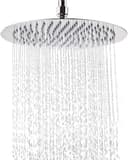
NearMoon 12-Inch Rainfall Shower Head (Best Rain Shower)
Anyone who wants a luxury spa-like rainfall experience at home
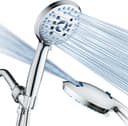
AquaCare 8-Mode Handheld Shower Head (Best Handheld)
Families who need versatility for kids, pets, and tub cleaning
Choosing between a rain vs handheld shower head is one of the most common decisions in any bathroom upgrade. It sounds simple, but the wrong pick can leave you frustrated every single morning. A rain head that feels luxurious in a hotel might feel underwhelming in your home. A handheld that sounds practical might look cheap next to your new tile work.
Here's the truth: neither style is universally better. Rain shower heads excel at creating a relaxing, spa-like experience with broad, even coverage. Handheld shower heads win on versatility, letting you direct water exactly where you need it. In my opinion, the right choice depends on your water pressure, who uses the shower, and whether you value luxury or function.
I compared both styles across water pressure, coverage, installation difficulty, cleaning ease, and cost. Here's what you need to know before you buy.
Quick Answer
Get a rain shower head if you want a luxurious, spa-like experience with full-body coverage and your home has solid water pressure (at least 2.0 GPM). Get a handheld shower head if you need flexibility for rinsing kids, bathing pets, cleaning the shower, or accommodating different heights and mobility needs. Get a dual combo system if your budget allows and you want both options available. the dual combo is the most satisfying long-term choice if your plumbing supports it.
Key Differences at a Glance
Factor: Feel | Rain Shower Head: Gentle, rainfall-like coverage | Handheld Shower Head: Focused, adjustable stream
Factor: Coverage | Rain Shower Head: Wide, full-body | Handheld Shower Head: Targeted, directional
Factor: Water Pressure | Rain Shower Head: Lower perceived pressure (wider spray) | Handheld Shower Head: Higher perceived pressure (concentrated)
Factor: Flow Rate | Rain Shower Head: 2.0-2.5 GPM typical | Handheld Shower Head: 1.8-2.5 GPM typical
Factor: Installation | Rain Shower Head: Moderate (may need ceiling or arm mount) | Handheld Shower Head: Easy (replaces existing head in minutes)
Factor: Cleaning Ease | Rain Shower Head: Harder (fixed position, can't rinse walls easily) | Handheld Shower Head: Easier (aim anywhere)
Factor: Accessibility | Rain Shower Head: Limited (fixed height and angle) | Handheld Shower Head: Excellent (adjustable for all users)
Factor: Price Range | Rain Shower Head: $40-$300+ | Handheld Shower Head: $20-$150
Factor: Best For | Rain Shower Head: Relaxation, modern aesthetics | Handheld Shower Head: Practicality, families, pets
Rain Shower Heads: When to Choose
Rain shower heads mount overhead (on the ceiling or a tall wall arm) and distribute water through a wide face, typically 8 to 12 inches in diameter. The result is a gentle, enveloping flow that mimics natural rainfall.
You want the spa experience. The primary appeal of a rain shower head is how it feels. Water falls straight down across your head and shoulders, creating consistent coverage without the focused sting of a standard shower head. I think this is one of the most underrated bathroom upgrades you can make. If your morning shower is your reset button, a rain head makes that experience noticeably better.
Your bathroom aesthetic matters. Rain heads look striking. A ceiling-mounted 10-inch or 12-inch rain head with a brushed nickel or matte black finish transforms the visual presence of a shower. If you're renovating and want a modern, minimalist bathroom, a rain head is a design statement that a handheld simply can't match.
You have good water pressure. This is the caveat most people overlook. Rain heads spread water across a much larger surface area than standard heads. That means the same 2.5 GPM flow rate feels significantly softer. If your home's water pressure is already on the low side, a rain head can feel weak and unsatisfying. You need at least 2.0 GPM and decent household pressure (40-60 PSI) for a good experience.
You shower alone (mostly). Rain heads are fixed in place. You can't angle them to rinse a specific spot, aim them at the shower walls for cleaning, or lower them for a child. They're perfect for a master bathroom used by one or two adults of similar height. They're less ideal for a shared family bathroom.
Rain Shower Head Drawbacks
Don't overlook these before committing.
- Lower perceived pressure. The wide spray pattern means less force per square inch hitting your skin. People who like a strong, focused stream often find rain heads disappointing.
- Harder to rinse shampoo. The gentle flow takes longer to rinse thick hair or heavy conditioner compared to a focused stream.
- Installation complexity. Ceiling-mounted rain heads may require rerouting plumbing inside the wall or ceiling. Even arm-mounted models need a longer, sturdier arm than standard heads.
- Mineral buildup. The many small nozzles on a rain head face are prone to calcium and lime deposits, especially in hard water areas. Cleaning requires soaking in vinegar regularly.
- Higher water use. Some larger rain heads use more water to achieve full coverage, though WaterSense-rated models at 2.0 GPM or less help with this.
Handheld Shower Heads: When to Choose
Handheld shower heads connect to a flexible hose (typically 60 to 72 inches long) and can be used in-hand or docked in a wall bracket. Most models include multiple spray settings, from a wide mist to a concentrated jet.
You have a family. Bathing young kids is dramatically easier with a handheld. You can direct the spray exactly where needed, control temperature before it hits them, and rinse without tears. A rain head gives you none of this control.
You have pets. If you bathe a dog in the tub or shower, a handheld is practically mandatory. You can work the spray through fur, rinse specific areas, and keep the water where you need it instead of spraying everywhere. This alone is a deciding factor for many pet owners.
Mobility or accessibility matters. For elderly family members or anyone with limited mobility, a handheld shower head on a slide bar is far more practical (and safer) than a fixed rain head. Users can shower while seated, reach every part of their body without stretching, and reduce the risk of slipping. The ADA recommends handheld shower heads with slide bars for accessible bathroom design.
You want easier cleaning. Cleaning the shower itself is simpler when you can aim a focused stream at grout, tile, and glass. A fixed rain head only covers a narrow area directly below it.
You're on a budget. Quality handheld shower heads start around $20 to $30, and even premium models rarely exceed $100. Installation takes five minutes with no tools beyond hand-tightening (and maybe a wrench for the hose connection). Compare that to $100 to $300+ for a quality rain head, plus potential installation costs.
Handheld Shower Head Drawbacks
They're not perfect either.
- Less immersive feel. Even a good handheld on a wall bracket doesn't replicate the full-body, overhead sensation of a rain head. You're always directing water rather than standing in it.
- The hose. Hoses can tangle, kink, or develop leaks at the connections over time. They also add visual clutter to the shower, which can undermine an otherwise clean design.
- Lower design impact. A handheld on a bracket simply doesn't have the visual presence of a ceiling-mounted rain head. In a high-end renovation, it can feel like a compromise.
Rain vs Handheld Shower Head: Head-to-Head Breakdown
Water Pressure and Flow
Both styles are subject to the same federal 2.5 GPM maximum (1.8 GPM in some states like California and Colorado). The difference is how that water is distributed. A rain head spreads it across 8 to 12 inches, creating a gentle drench. A handheld concentrates it through a smaller face, delivering more pressure per square inch.
Winner: Handheld for perceived pressure. Rain for even coverage. I'd pick the handheld if strong water pressure matters to you more than the feeling of standing in the rain.
Installation
Handheld heads replace any standard shower arm connection in minutes. Rain heads often require a longer shower arm, a ceiling mount, or even in-wall plumbing changes for a true overhead position. If you're tiling or renovating anyway, the installation cost is minimal. As a standalone upgrade, a rain head installation can cost $150 to $500+ depending on plumbing changes.
Winner: Handheld (significantly easier and cheaper to install).
Cleaning and Maintenance
Handheld heads are easier to clean because you can remove them, soak them in vinegar, and wipe them down. They also make cleaning the shower enclosure itself easier. Rain heads collect mineral deposits faster due to their larger nozzle surface area and overhead position, and cleaning them requires more effort (especially ceiling-mounted models you can't easily remove).
Winner: Handheld.
Aesthetics
A ceiling-mounted rain head is a visual centerpiece. It signals "upgraded bathroom" in a way that few other fixtures can. Handheld heads are functional but rarely stunning. For resale value and design impact, rain heads add more perceived value to a bathroom renovation.
Winner: Rain. What I like most about a ceiling-mounted rain head is that it becomes the visual anchor of the entire shower. Nothing else makes a bathroom feel as modern with a single fixture swap.
Price
Budget handheld models start at $20 to $30. Budget rain heads start at $40 to $60 but quality drops sharply below $80. Mid-range handheld heads ($40 to $80) offer excellent spray patterns and build quality. Comparable rain heads run $100 to $200. Add installation costs for rain heads, and the gap widens further.
Winner: Handheld (often half the cost or less at every quality tier).
Combo/Dual Systems: Best of Both Worlds?
If the rain vs handheld shower head debate has you stuck, a dual shower system gives you both. These setups include a fixed rain head (usually ceiling or arm-mounted) and a handheld on a separate hose, connected through a diverter valve that lets you switch between them or run both simultaneously.
Retrofit combos ($30 to $80) attach to your existing shower arm and split the water between a small rain head and a handheld. These are the easiest to install but share your home's flow rate between two heads, which can reduce pressure on both.
Full shower systems ($150 to $500+) include a dedicated rain head, handheld, and sometimes body jets, with a thermostatic or pressure-balancing valve. These require more involved installation but deliver the best experience.
a dual system is the right move if your budget allows and you want flexibility without compromise. Just be aware that running both heads simultaneously divides your water flow. If your home's pressure is marginal, one head at a time may be the practical reality.
For shower head recommendations across all styles, check out our best shower heads roundup. If you're upgrading other bathroom fixtures at the same time, our best bathroom faucet guide covers the best options for vanities and sinks. And if the kitchen is next on your list, we have a best kitchen faucet guide too.
Our Recommendation
For most homeowners doing a bathroom upgrade, I'd recommend starting with a quality handheld shower head. It's the more versatile, affordable, and practical choice. A good handheld with multiple spray settings covers 90% of showering needs, works for every family member (including four-legged ones), and installs in minutes.
Choose a rain head if you're renovating a master bathroom, you already have good water pressure, and the shower is primarily used by one or two adults. The spa-like experience is real, and the aesthetic upgrade is significant. Just go in with realistic expectations about water pressure.
Choose a dual combo if budget and plumbing allow. Having both options is genuinely useful, not just a luxury. Use the rain head for relaxation, switch to the handheld for rinsing, cleaning, and practical tasks. I think it's the setup that covers every scenario.
Recommended Products
Ready to buy? These are the top picks from our best shower head guide.
NearMoon 12-Inch Rainfall Shower Head (Best Rain Shower)
NearMoon 12-Inch Rainfall Shower Head (Best Rain Shower)
Anyone who wants a luxury spa-like rainfall experience at home
Pros
- 12-inch face with 150+ nozzles provides unmatched full-body coverage
- 304 stainless steel construction, not plastic, at a budget price
- Air-injection technology maintains strong pressure despite the large face
- Ultra-thin profile looks sleek and modern in any bathroom
Cons
- Single spray pattern (rainfall only), no massage or jet options
- May require an extension arm (sold separately) for proper overhead positioning
- 2.5 GPM flow rate is not WaterSense certified
AquaCare 8-Mode Handheld Shower Head (Best Handheld)
AquaCare 8-Mode Handheld Shower Head (Best Handheld)
Families who need versatility for kids, pets, and tub cleaning
Pros
- Eight distinct spray modes including two dedicated power wash settings
- Extra-long 6-foot stainless steel hose reaches further than competitors
- Both wall and overhead mounting brackets included
- Anti-clog nozzle design resists hard water buildup
Cons
- Chrome-plated plastic, not metal construction on the head itself
- Flow rate on some modes feels lighter than dedicated high-pressure heads
- Hose connector can be stiff to tighten initially
Final Thoughts
The rain vs handheld shower head decision comes down to priorities. Rain heads deliver a premium, immersive experience that transforms your daily shower into something closer to a spa visit. Handheld heads offer unmatched practicality, accessibility, and value. Neither is the wrong choice, but one will match your bathroom, your household, and your budget better than the other.
If you're upgrading a shared family bathroom on a reasonable budget, I'd pick a handheld every time. If you're building your dream master suite and want the shower to feel like a retreat, rain all the way. And if you can afford it, get both. After researching dozens of rain vs handheld shower head setups, I'm convinced the dual combo offers the best of both worlds for anyone willing to spend a little more.
Affiliate Disclosure
This post contains affiliate links. As an Amazon Associate, HomeBuildLab earns from qualifying purchases at no additional cost to you. Learn more
Looking for the right tools and products?
Check out our product reviews and buying guides to find the best gear for your project.
Browse Reviews