What Can You Do with a Heat Gun? 15 Uses You Probably Haven't Thought Of
Quick Comparison
| Product | Best For | Buy |
|---|---|---|
 DeWalt D26960K DeWalt · Corded · 2.3 lbs | Professionals and serious hobbyists who need precise, repeatable temperature control | |
 SEEKONE 1800W Heat Gun (Best Value) SEEKONE · Corded · 1.5 lbs | Budget-conscious users who want variable temperature control without the premium price |
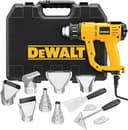
DeWalt D26960K
Professionals and serious hobbyists who need precise, repeatable temperature control
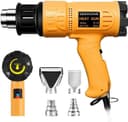
SEEKONE 1800W Heat Gun (Best Value)
Budget-conscious users who want variable temperature control without the premium price
If you asked most people what a heat gun does, they would say "strips paint." And they would be right. But that answer only scratches the surface of what can you do with a heat gun. I think this is one of the most underrated tools in any workshop, capable of handling tasks that span home repair, automotive work, plumbing, crafting, and even the kitchen.
A heat gun (sometimes called a hot air gun) looks like a bulky hair dryer, but it operates at far higher temperatures. Most models range from 120 to 1,200 degrees Fahrenheit, with variable speed fans that let you control airflow. That combination of adjustable heat and directed air makes the heat gun surprisingly versatile. I bought mine for a single paint stripping job and was shocked at how often I keep pulling it off the shelf for completely unrelated tasks. If you only use it for paint removal, you are missing out on a tool that can save you time and money across dozens of projects.
Here are 15 practical uses that prove the heat gun deserves a permanent spot on your workbench. For each one, I've included the approximate temperature range so you can dial in your settings and get to work.
What Can You Do with a Heat Gun? 15 Practical Uses
1. Stripping Paint
This is the classic use case, and in my opinion, it is still the single best reason to own a heat gun. A heat gun softens old paint so you can scrape it away with a putty knife, and it works especially well on trim, doors, and detailed woodwork where chemical strippers are messy. Set the temperature to 500 to 750 degrees Fahrenheit and keep the gun moving to avoid scorching the wood underneath. On homes built before 1978, always test for lead paint first and follow EPA guidelines.
If you are doing a full repaint, pairing a heat gun with a quality paint sprayer can cut your project time in half.
2. Shrink Wrapping
Heat guns are the go-to tool for shrink wrap packaging, heat shrink tubing on electrical connections, and weatherproofing bundles. The key is using a low temperature setting (around 200 to 350 degrees Fahrenheit) and keeping the gun 4 to 6 inches from the material. Move in steady passes to get even shrinkage without melting through the film.
3. Thawing Frozen Pipes
When winter hits and your pipes freeze, a heat gun is a faster and safer alternative to a propane torch. I recommend this method over torches for most homeowners because the risk of accidental fire drops significantly. Set it to a low or moderate temperature (200 to 300 degrees Fahrenheit) and move the gun slowly back and forth along the frozen section. Start from the faucet end and work toward the blockage. Never concentrate the heat in one spot, and avoid using a heat gun on PVC at high temperatures since the pipe can warp or melt.
4. Bending PVC Pipe
Speaking of PVC: at controlled temperatures, a heat gun is the best way to create custom bends without fittings. Heat the section you want to bend at 275 to 350 degrees Fahrenheit, rotating the pipe to ensure even heating. When the PVC becomes pliable, gently form it to the angle you need and hold it in place until it cools and sets. This technique is popular for irrigation projects and custom enclosures.
5. Removing Stickers and Labels
Whether you are peeling bumper stickers off a car, removing price tags from glass, or cleaning labels off jars for reuse, a heat gun makes it effortless. A low setting (200 to 300 degrees Fahrenheit) softens the adhesive in seconds. Peel from one corner while directing heat underneath, and any remaining residue comes off easily with a bit of rubbing alcohol.
6. Loosening Rusted Bolts
Heat expands metal, and that expansion can break the bond between a rusted bolt and its surrounding threads. Set the heat gun to 750 to 1,000 degrees Fahrenheit and direct the hot air at the nut (not the bolt) for 30 to 60 seconds. The differential expansion between the nut and bolt creates just enough space for a wrench to break it free. I'd argue this is the most satisfying use on the entire list. This technique saves hours on old plumbing fixtures, automotive work, and outdoor furniture hardware.
7. Drying Wood Filler and Putty
Waiting for wood filler to air-dry is one of those time sinks that slows down every project. A heat gun at 200 to 300 degrees Fahrenheit speeds up the curing process dramatically. Hold the gun about 6 inches away and move it slowly across the filled area. You will cut your drying time from hours to minutes without compromising the bond.
8. Softening Adhesive for Removal
Old flooring adhesive, weatherstripping glue, and tile mastic all soften quickly under directed heat. Set the gun to 300 to 500 degrees Fahrenheit and work in small sections, scraping as you go with a stiff putty knife. This is especially useful when you are pulling up old vinyl flooring or removing caulk from bathtubs and countertops.
9. Embossing (Crafting)
Heat guns have become essential tools in the crafting world, particularly for embossing. Sprinkle embossing powder over a stamped image, then direct low heat (around 250 degrees Fahrenheit) from above. The powder melts into a raised, glossy finish that looks professional. Unlike a hair dryer, a heat gun delivers focused, concentrated heat that will not blow your powder across the table.
10. Waxing Skis and Snowboards
If you are a winter sports enthusiast, a heat gun simplifies the waxing process. Apply wax to the base of your ski or board, then use the heat gun at 200 to 300 degrees Fahrenheit to melt and spread it evenly. This approach gives you more control than a traditional waxing iron, especially on curved surfaces. Let it cool completely, then scrape off the excess.
11. Roasting Coffee Beans
This one surprises people, but it works remarkably well. Personally, I think this is the most fun use on the entire list. Place green coffee beans in a stainless steel bowl or dog bowl, then hold a heat gun about an inch above the surface at 450 to 500 degrees Fahrenheit. Stir the beans constantly as you move the gun in circles. You will hear the "first crack" after about 8 to 10 minutes, and a full roast takes 12 to 15 minutes. The results rival many home roasting machines that cost five times as much.
12. Removing Wallpaper
If your wallpaper resists steamers and soaking, I believe a heat gun is your best next move. Set it to 300 to 400 degrees Fahrenheit and hold it a few inches from the surface. The heat softens the underlying adhesive, allowing you to peel strips away with a scraper. Work in small sections and be careful around drywall, since excessive heat can damage the paper facing.
13. Soldering and Desoldering (With Caution)
A heat gun can be used for soldering certain connections and, more commonly, for desoldering components from circuit boards. Set the temperature to 400 to 600 degrees Fahrenheit and use a concentrator nozzle for precision. This technique is widely used in electronics repair to remove surface-mount components. That said, a dedicated soldering iron is better for fine, controlled soldering work. Reserve the heat gun for when you need to heat a larger area evenly.
14. Deicing Locks and Latches
Frozen door locks and car latches are a common winter headache. A quick blast from a heat gun at 200 to 300 degrees Fahrenheit melts the ice without damaging the mechanism. This works faster than de-icing sprays and does not introduce any chemicals that could corrode the lock over time. Just keep the heat gun at a moderate distance so you do not damage any surrounding plastic trim.
15. Curing Epoxy and Resin
Many epoxy and resin products cure faster with gentle heat. A heat gun at 150 to 250 degrees Fahrenheit accelerates the chemical reaction while also helping to release air bubbles trapped in the surface. Pass the gun slowly over the resin from a distance of 6 to 8 inches. Do not hold it in one spot, or you risk creating hot spots that cause uneven curing or yellowing.
Temperature Guide: Quick Reference
Here is a quick-reference table to help you dial in the right setting for each task.
Task: Embossing / crafts | Temperature Range: 200 - 300 F | Notes: Use from above, keep distance
Task: Shrink wrap / tubing | Temperature Range: 200 - 350 F | Notes: Move steadily, 4-6 inches away
Task: Removing stickers | Temperature Range: 200 - 300 F | Notes: Low heat, peel as you go
Task: Thawing pipes | Temperature Range: 200 - 300 F | Notes: Keep moving, start at faucet end
Task: Deicing locks | Temperature Range: 200 - 300 F | Notes: Moderate distance from plastic
Task: Drying wood filler | Temperature Range: 200 - 300 F | Notes: 6 inches away, slow passes
Task: Waxing skis | Temperature Range: 200 - 300 F | Notes: Melt and spread, let cool
Task: Curing epoxy/resin | Temperature Range: 150 - 250 F | Notes: Removes bubbles, do not hover
Task: Bending PVC | Temperature Range: 275 - 350 F | Notes: Rotate pipe for even heating
Task: Softening adhesive | Temperature Range: 300 - 500 F | Notes: Work in small sections
Task: Removing wallpaper | Temperature Range: 300 - 400 F | Notes: Careful near drywall
Task: Roasting coffee | Temperature Range: 450 - 500 F | Notes: Stir constantly, 12-15 minutes
Task: Soldering/desoldering | Temperature Range: 400 - 600 F | Notes: Use concentrator nozzle
Task: Stripping paint | Temperature Range: 500 - 750 F | Notes: Keep moving to avoid scorching
Task: Loosening rusted bolts | Temperature Range: 750 - 1,000 F | Notes: Heat nut, not bolt, 30-60 seconds
Most tasks fall between 200 and 500 degrees Fahrenheit. If you are shopping for a hot air gun, I'd pick a model with variable temperature control so you can handle everything on this list without guesswork. Check out our best heat guns roundup for top recommendations.
Safety Tips for Heat Gun Use
A heat gun is not a hair dryer, even though it looks like one. These heat tools produce enough heat to ignite paper, melt plastic, and cause serious burns. I cannot stress this enough: treat every heat gun session with respect. Here is how to stay safe.
Never point a heat gun at skin. Even at low settings, directed hot air can cause burns in seconds. Treat it the way you would treat any tool that produces open flame.
Keep the gun moving. Holding a heat gun in one spot is the fastest way to scorch wood, melt plastic, or start a fire. Slow, steady passes are always safer than concentrated blasts.
Ventilate when stripping paint. Old paint can contain lead, and even modern paints release fumes when heated. Work outdoors or open windows and use a fan to push fumes away from your breathing zone.
Watch what is behind your work surface. Heat travels through materials. If you are stripping paint from a door, the heat can ignite insulation, paper, or fabric on the other side of the wall.
Do not block the air intake. If the gun overheats because the intake grills are blocked, it can catch fire or fail. Keep the rear of the tool clear at all times.
Let it cool before storing. A heat gun retains heat for several minutes after you turn it off. Set it on a heat-resistant surface with the nozzle pointing away from anything flammable, and wait for it to cool completely before putting it away.
Skip the extension cord. Heat guns draw significant current. A long extension cord can overheat and become a fire risk. Plug directly into a wall outlet whenever possible.
Recommended Tools
Ready to buy? These are the top picks from our best heat gun guide.
DeWalt D26960K
DeWalt D26960K
Professionals and serious hobbyists who need precise, repeatable temperature control
Pros
- LCD display with precise 50-degree temperature increments
- Full accessory kit with hard carrying case
- 10-foot power cord (longer than most competitors)
- Lightweight at 2.3 lbs with integrated kickstand
Cons
- Higher price point than basic models
- No variable fan speed (single speed only)
- Overkill if you only need occasional light-duty use
SEEKONE 1800W Heat Gun (Best Value)
SEEKONE 1800W Heat Gun (Best Value)
Budget-conscious users who want variable temperature control without the premium price
Pros
- Exceptional value for the feature set
- Variable temperature control up to 1202 degrees F
- Overload protection prevents burnout
- Four included nozzle attachments
Cons
- No digital temperature display
- 5.2-foot cord is shorter than some competitors
- Build quality does not match premium brands for long-term daily use
Final Thoughts
So, what can you do with a heat gun? In my experience, a lot more than most people realize. From stripping paint and thawing frozen pipes to roasting coffee beans and curing resin, I believe this is one of the most versatile tools you can own. The key is understanding temperature ranges and practicing basic safety.
If you do not own a heat gun yet, check out our best heat guns roundup to find the right model for your needs. I recommend starting with a variable-temperature model so you are not limited to a single heat setting. And if you are expanding your workshop, a heat gun pairs well with tools like a quality paint sprayer for refinishing projects or a reliable soldering iron for electronics work.
Start with one or two tasks from this list, and you will quickly discover what I did: the heat gun earns its keep many times over once you stop thinking of it as a one-trick tool.
Affiliate Disclosure
This post contains affiliate links. As an Amazon Associate, HomeBuildLab earns from qualifying purchases at no additional cost to you. Learn more
Looking for the right tools and products?
Check out our product reviews and buying guides to find the best gear for your project.
Browse Reviews